Whoa! The first time you land on a Solana explorer, it can feel like stepping into a busy airport control tower. The screens, the IDs, the hashes—yeah, it’s a lot. But under the clutter there’s clarity if you know where to look, and somethin’ about that clarity keeps pulling me back. My instinct said this would be purely technical, but honestly it quickly became a usability problem for everyday users.
Here’s the thing. Explorers are more than logs. They’re trust interfaces. They translate machine-state into human stories—who moved what, when, and why. That matters because Solana’s speed hides nuance; a 400ms block time changes how you parse events. On one hand speed is thrilling, though actually it increases the bar for accurate tracing when things go sideways.
Whoa! Seriously? Yep. Transaction errors on Solana often look like cryptic exits: “Program failed to complete” or “Account not found.” Medium-level tools will show you the stack trace. Longer-form analysis, though, will reveal account lifetimes, CPI calls, and memos that tell the real story, and that matters for both devs and casual users trying to verify a token transfer.
At first I thought explorers would be plug-and-play. Initially I thought the UX would evolve quickly, but then realized priorities were different—performance beats prettiness in many implementations. Actually, wait—let me rephrase that: engineers tend to optimize for throughput, not breadcrumb trails for human investigators. That mismatch is why some explorers feel like they were built for bots.
Whoa! Small tangent: if you grew up debugging log files on a Windows ’95 machine, you’ll get a weird nostalgic kick from tracing a Solana transaction. Okay, back to mainline—
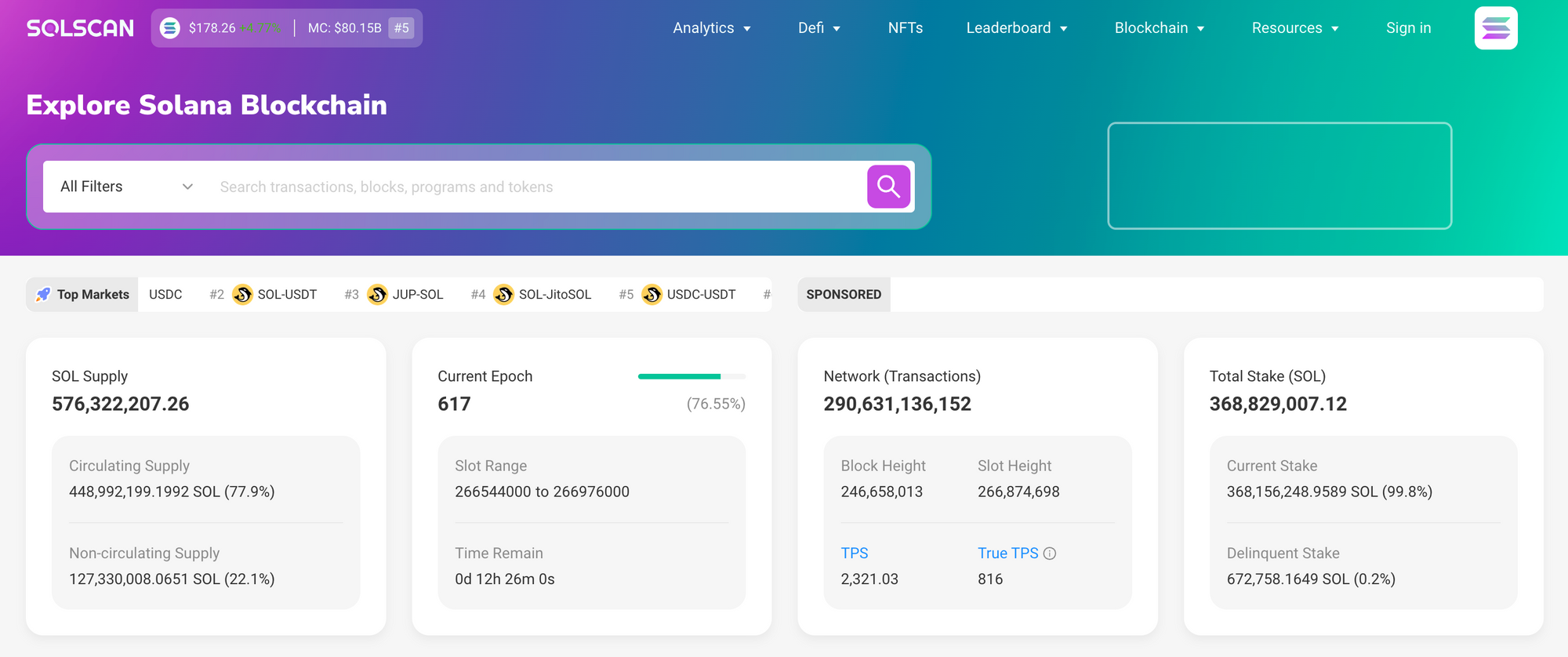
How to read a Solana transaction (and what explorers hide)
Start with the basics: signature, slot, status. Then read the instruction list. Confirm program IDs and downstream CPIs (cross-program invocations). Look for pre- and post-account states—those snapshots reveal token balance deltas and rent changes. If you want a clean, approachable view that still surfaces all of that, try tools like the one linked here: https://sites.google.com/cryptowalletextensionus.com/solscan-explorer-official-site/.
Short note: not every explorer shows the same metadata. Some show logs by default, others bury them under extra clicks. This part bugs me because logs often contain the one-line explanation you actually need. I’m biased, but good explorers treat logs as first-class citizens, not optional extras.
Think of transactions like a train manifest. Medium-level explorers list the cars. A more mature explorer lets you open each car and inspect the cargo manifests and packages inside. Longer reasoning: because Solana heavily uses CPIs, a simple “transfer” label may mask 3-4 program hops that change ownership in ways users don’t expect; without seeing the full call chain you can easily misattribute funds flow.
Whoa! Quick, honest aside—my instinct said “show raw data first,” but users often want a human explanation. On one hand raw RPC dumps are complete… though actually they’re noisy and opaque to most people. So explorers must balance fidelity and readability.
One of the frequent pitfalls: token accounts. Solana makes every SPL token balance an account. Medium-term users learn that token balance mismatches usually come from forgotten associated token accounts rather than bad program logic. If you can’t spot which account swapped or closed, you’re chasing ghosts.
Here’s a practical checklist I keep in my head when vetting a transaction via an explorer: 1) Verify the signature and slot. 2) Check the status and program logs. 3) Inspect account pre/post states for balance deltas. 4) Trace CPI calls to see side effects. 5) Look for memos or off-chain references. It’s not rocket science, but it takes a trained eye—training which many interfaces don’t teach.
Whoa! Hmm… a bit of dual-thinking: my fast read says “did the token leave the expected source?” My slow analysis then asks “which program authorized that move, and under what conditions?” Initially that split felt redundant, but it’s crucial. On complex swaps or auto-market interactions, the authorization path is the whole story.
Explorer features that actually help (and a few that don’t)
Good: clear instruction decoding, CPI stacks, and humanized balance changes. Good: permalinks that pin a transaction context, not just a signature string. Good: integrated token metadata that ties mints to names and symbols. Bad: burying logs behind obscure toggles. Bad: showing only post-state balances without context.
One feature that often gets overlooked is fee breakdown. Medium-level explorers show total lamports spent; better ones break it into compute units, rent, and transfer fees. Longer thought: fee transparency becomes governance data when you compare living patterns across wallets and programs, and researchers can find odd economic behavior there.
Another feature to value is historical slot-time alignment. Solana’s performance means events cluster tightly. If an explorer lets you align transactions across adjacent slots, you gain insight into coordinated actions across programs. That kind of temporal context is gold when analyzing MEV-style behavior or sandwich patterns.
Whoa! Small imperfect note—sometimes explorers will cache names that are stale, or show token prices from external oracles that lag. So cross-checking with on-chain raw data is smart. I’m not 100% sure every explorer syncs metadata at the same cadence, which is why you should verify the mint directly if the value matters.
FAQ
How can I verify a token transfer was to the right address?
Check the transaction’s post-state balances for the source and destination accounts, confirm the instruction targets the expected token program and mint, and trace any CPIs that could reroute funds. If the explorer provides memos or signer info, match those to your expected wallets; if not, inspect the raw account keys. Short checklist: signature → slot → pre/post balances → CPIs.
What does “Program failed to complete” really mean?
Usually it means the invoked program hit an assert or ran out of compute units. Medium: read the program logs for errors like ‘insufficient funds’ or ‘invalid account’. Longer explanation: many failures are due to unmet account constraints or signer mismatches; sometimes a downstream CPI error bubbles up as a generic failure, so follow the call stack to find the root cause.
Which explorer should I trust for audits or compliance?
Use multiple sources. Cross-compare at least two explorers before drawing conclusions, and always check raw RPC data if stakes are high. Trusted explorers that prioritize transparency and logs make your life easier, but no single tool is infallible—so triangulate.
Okay, so check this out—solana explorers are evolving fast. They used to be purely developer tools. Now they’re gateways for users, auditors, and policy folks. That shift changes the design priorities and, frankly, it makes some parts of the ecosystem better and other parts more fragile. I’m biased, but I prefer explorers that teach as they reveal—show the raw numbers and then give a human-readable explanation, because humans still need stories, even in a ledger.
Final thought—well, not a final final, because this stuff keeps changing—keep curiosity high and skepticism healthy. Use explorers as maps, not oracles. And if you ever get lost, trace the CPI chain; it’s where the plot twists hide…